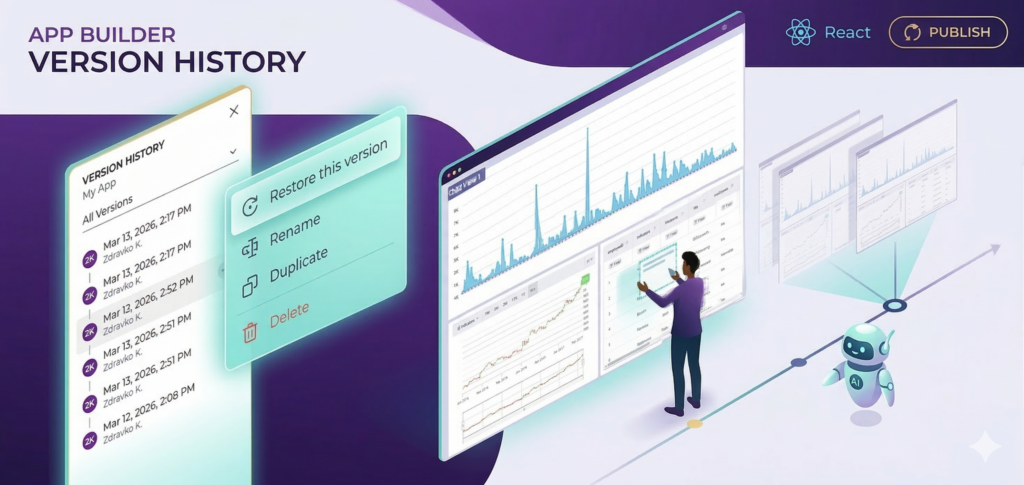
Build Fearlessly: Introducing App Builder Versioning

This new feature provides a persistent safety net across your entire workspace, allowing you to capture, browse, and safely restore previous states of your app without data loss.

Category: Low Code
This new feature provides a persistent safety net across your entire workspace, allowing you to capture, browse, and safely restore previous states of your app without data loss.

App Builder’s one-click deployment takes a significant step towards simplifying modern web app development. By eliminating the need for manual configuration and seamlessly connecting design, code generation, and deployment, teams can focus on innovation instead of infrastructure.

The low-code development is changing fast. That’s for sure. Pro-code developers no longer see it as a practice that only empowers citizen developers or junior programmers. But what are the factors that influenced the shift in their mindset and development philosophy?
Continuous delivery no longer has to be complex or resource-heavy. With low-code platforms like App Builder, teams can fast-track development, automate prototyping, testing, and deployment, and leverage AI capabilities, making releases faster and more reliable.
AI code generation is powerful. It’s fast, flexible, and great for tackling isolated coding challenges or exploring ideas. But it’s not a silver bullet. Relying on it alone for complex, scalable, or production-grade applications comes with tradeoffs in consistency, security, and collaboration. That’s where tools like App Builder come in.
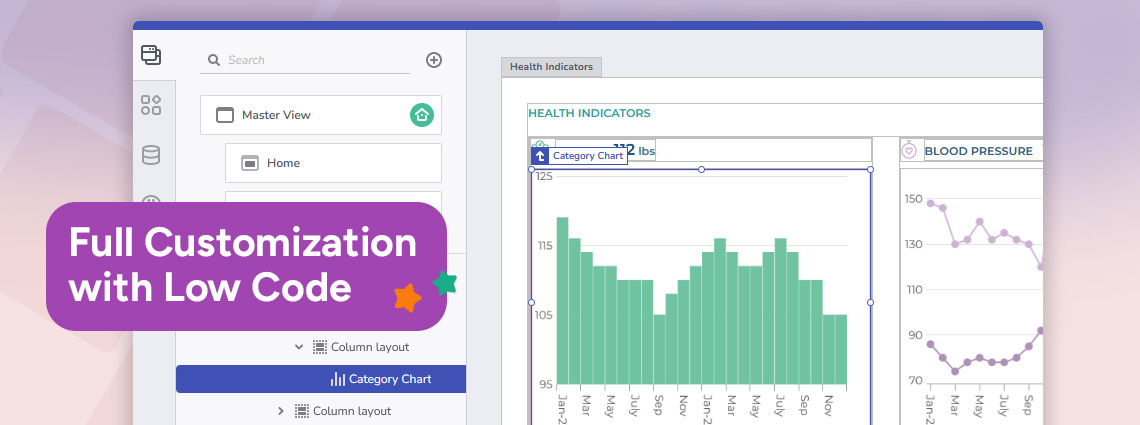
The concept of low-code development has existed since the emergence of 4GLs (Fourth-Generation Programming Languages) that were developed from the 1970s through the 1990s. But ever since then low code has been evolving. The tools we see today are more comprehensive and empower users with full low-code customization.

Low-code development ensures business agility and code flexibility. Some tools, though, present vendor lock-in risks. Read more here and see how you can avoid them.

Now that we know that low code is here to stay, the question becomes, how is your organization preparing for its next chapter? For the last few years, low-code tools like App Builder have targeted various pain points in app building, enabling C-level executives and Dev Team Leaders to accelerate time to market, automate app […]

Low code has become a catalyst for rapid digital transformation in companies of different sizes and industries. These tools see steady growth in their impact on business—from remodeling the entire corporate culture that implements rigid structures focused on traditional workflows to establishing innovative hubs that are more agile and prepared for any market change.

Can AI promote faster software rollouts? Will it lead to fewer people who write code manually? And is this the end of software development as we know it? Let’s see what’s the impact of AI on development jobs and what’s the role of low code here.
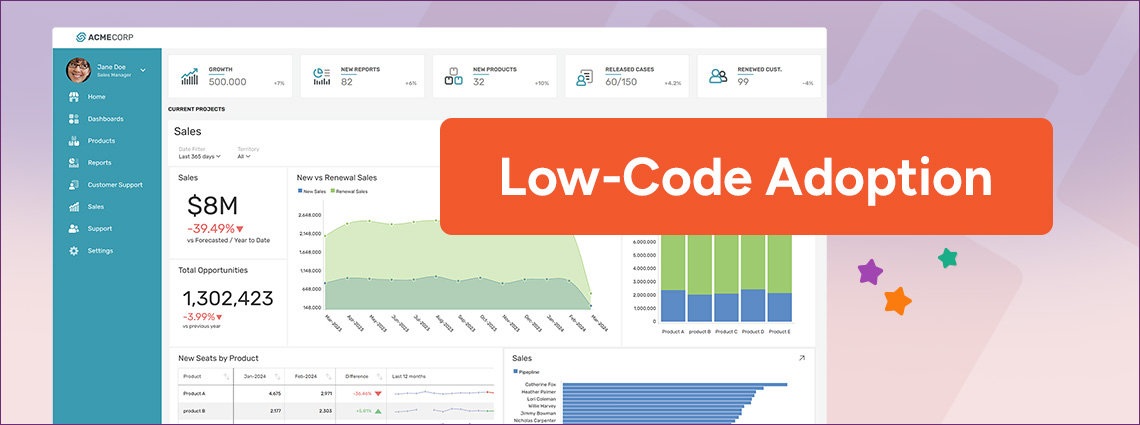
Low-code platforms come with security concerns. But these shouldn’t stop you from taking advantage of low-code technology and benefiting from accelerated application development with little or no coding knowledge. Instead, you should understand the key low-code challenges and risks and implement appropriate mitigation strategies.
When building Proof of Concept software using a low-code platform, the focus is on scalability – and not just cost-efficiency. So, it doesn’t simply reduce the app development costs, but it equally reduces the overall development and iteration time.

C-level executives are trying to navigate between the need for rapid innovation and the resource constraints of their overstretched IT departments. Are citizen developers the solution to this and other major bottlenecks? And can low-code app development empower them and increase business agility? Read here.

According to low-code statistics by Forrester, “91% of IT and business decision makers responsible for digital transformation initiatives at enterprises in the US, the UK, Canada, and Australia use low code to improve existing IT capabilities to promote agility and innovation.” And now, they are used as tools to improve developer productivity too. But how?
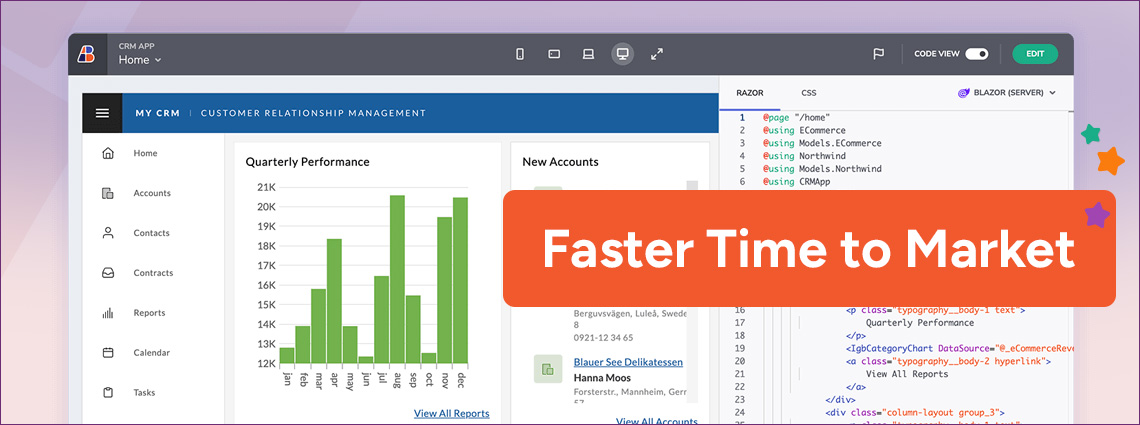
By embracing low code and democratizing app development, companies can fundamentally transform the way their businesses operate, enabling faster, more agile product development and achieving shorter time to market. But why is this important?

CTOs, CIOs, Dev Team Leaders and other high-level executives must make informed decisions when choosing between low code vs. traditional development. And this article will compare these two approaches, focusing on different tradeoffs, advantages, criteria, and more.

Digital Innovation is a continuous process that involves the use of digital technology and strategies to create new or improve existing business processes, products, services, and UX. But why is digital innovation so important? And what’s the role of low code here?

Traditional software methods and outdated business strategies struggle to keep up with the fast-paced technological landscape, but a new game-changer has emerged to redefine the industry – low code. So, let’s examine how innovation tools like App Builder drive transformation and help companies achieve business agility and growth.
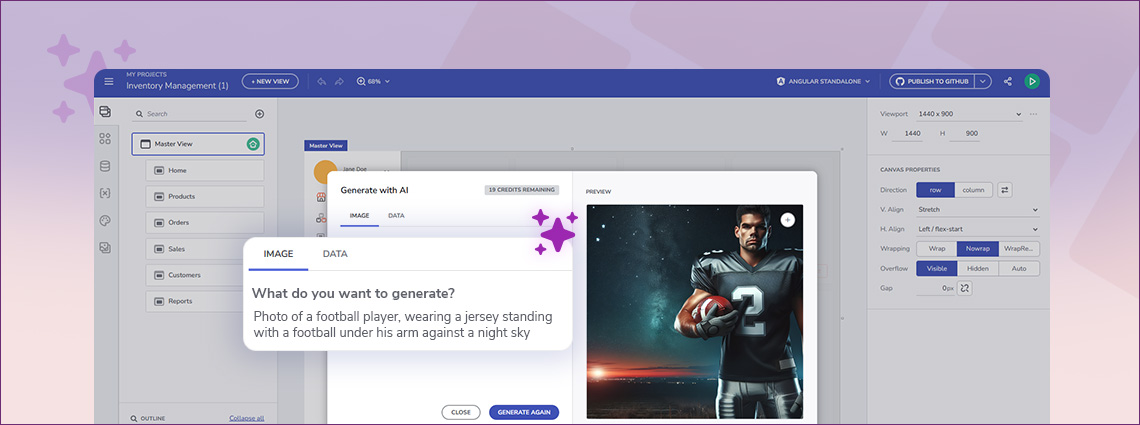
Harnessing the power of low code and AI is a strategic move that drives business growth and innovation at faster rates. And now with App Builder AI, businesses have an even greater advantage. App Builder AI combines the simplicity of low-code platforms with the intelligence of AI, enabling teams to build and deploy applications faster and more efficiently than ever before.
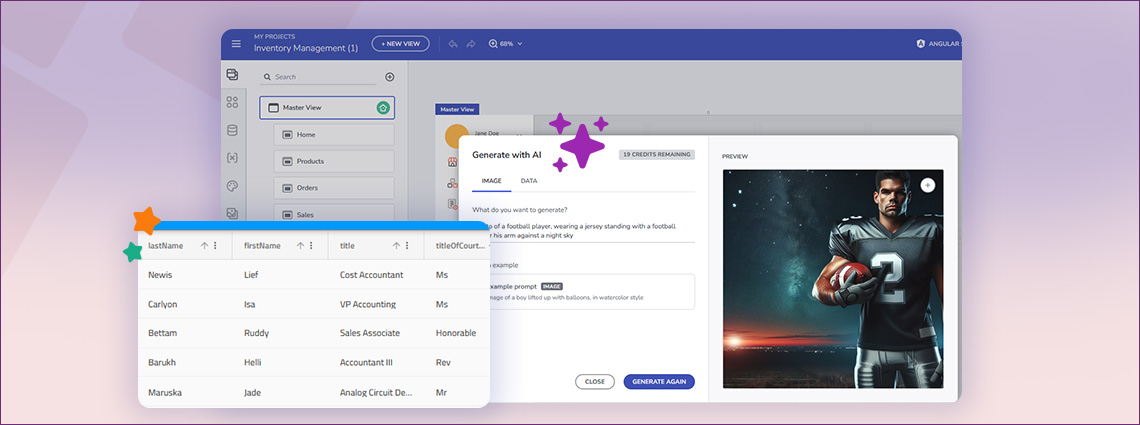
In August we are marking another milestone for App Builder – a new release that now introduces App Builder AI, CSS Grid Layout, and other improvements. Read more in the blog post.

Low code is changing the way teams and businesses handle app development. But with so many tools out there, how to choose yours? Here are the best low-code platform features to look for.
What is low-code app development? How about AI in low code? What are the limits, challenges, and opportunities? Find out in this blog post.
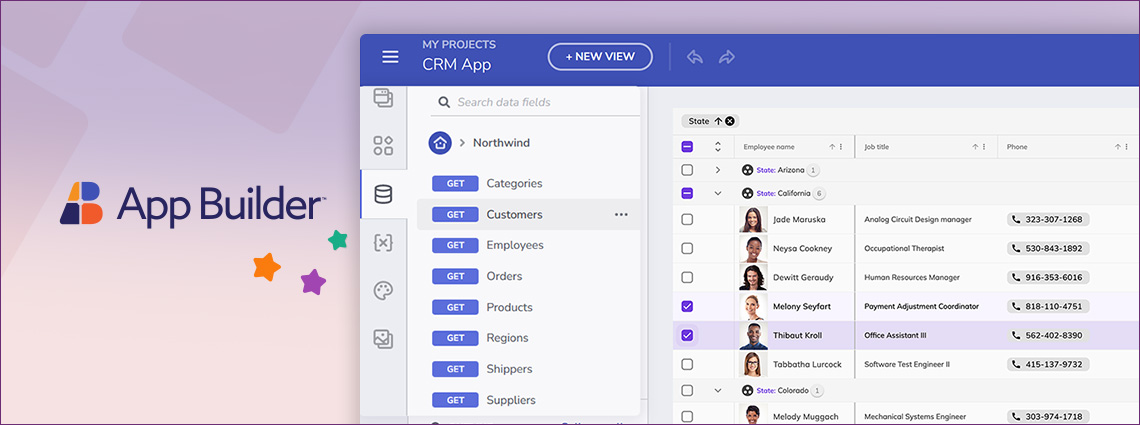
Another exciting App Builder release is out today. Now advancing your app development with Two-Way Data Binding, updated Datasource OpenAPI Schema, and others.
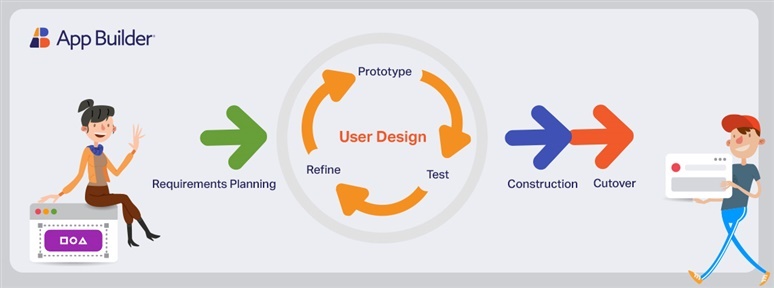
Let’s look back and review a whole year full of milestones, key releases, and great updates for App Builder. Explore all the new features, components, and low-code capabilities introduced in 2023.
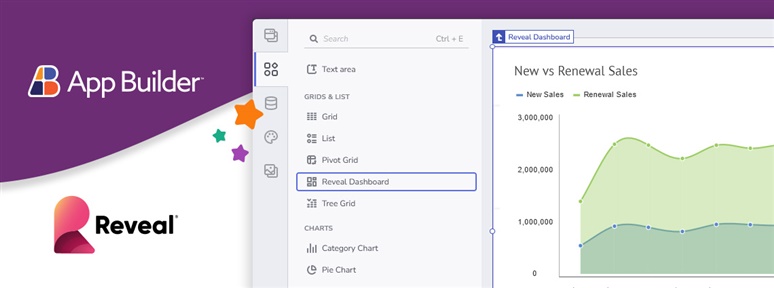
The Solution Spotlight Series included a session with Jason Beres (Sr. VP of Developer Tools) who shed light on the successful digital transformation with two low-code tools – App Builder and Reveal BI.
App Builder™ has emerged as a transformative power that can streamline the entire design-development process. But what’s more, our platform can objectively define its impact on the company’s ROI. This is how.
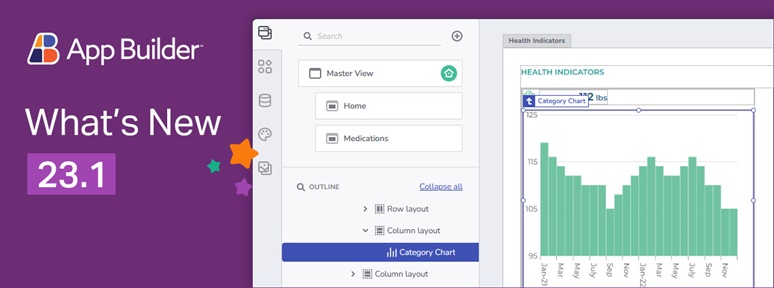
More features and capabilities, brand-new UI controls, better design-development processes, and interactive data visualization experience. It’s all included in the latest 23.1 Launch.
What is low-code automation? Is this the same as low-code development? What’s the role of cloud computing in automation with low code? Get the answers in this comprehensive blog post.

What are the drivers that make low code so popular and what factors to consider before you select a low-code platform for your team, company, or business? Here are the answers.
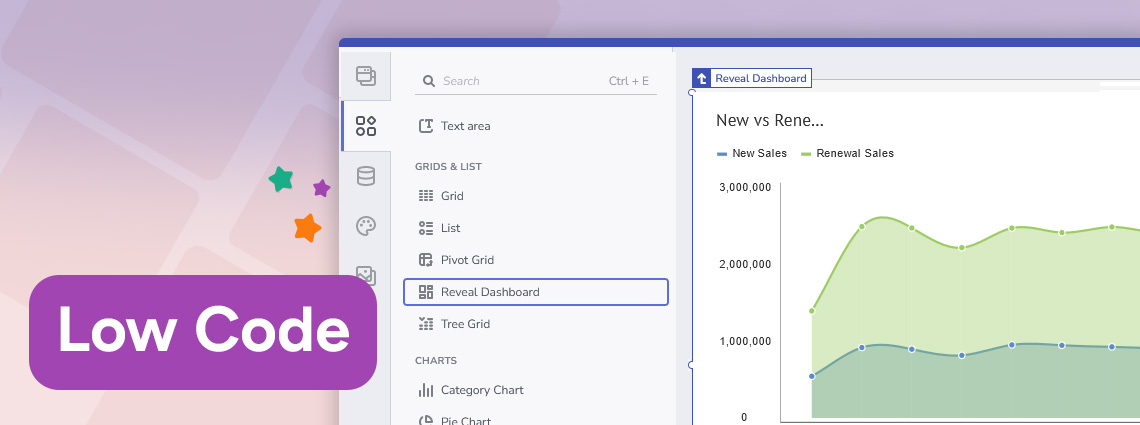
In challenging times when reducing development costs and achieving optimization are a must, tools like App Builder can achieve cost-efficiency, streamlining the software development life cycle, delivering proven ROI, and helping companies adapt to the dynamic software development environment.
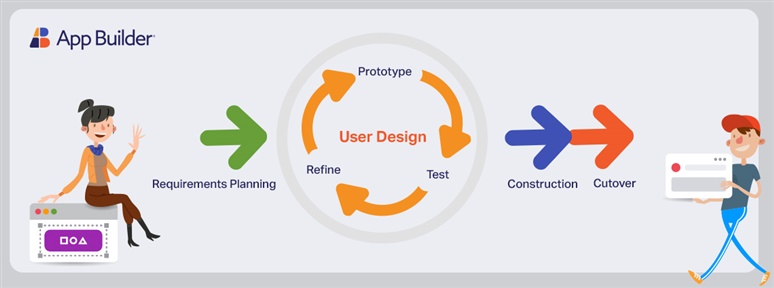
Rapid Application Development (or the RAD model), in essence, is an agile project development strategy that provides a super flexible and adaptable process to how you design and build software solutions. And here you can learn more about it and why to implement it.

Do you know how to make the development of mission-critical business software less complex? If not, here is the solution for you all explained in the blog post.
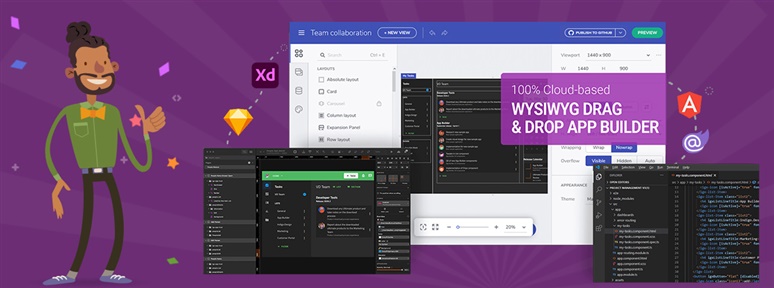
Do you want to understand our complete design-to-code approach and what defines App Builder and the way it works? It’s all explained in this article.

Do you want to find out which are considered top enterprise low-code platforms? This article explores the best ones on the market that will help you scale your projects and business practices.

Although they look and sound pretty much the same, there is a difference between low-code and no-code tools. Learn more about it here.
This blog post will discuss all low-code essentials, revealing how this type of tools and development approaches benefits companies of all sizes. Read more about the benefits, the traditional vs low-code development comparison and more.