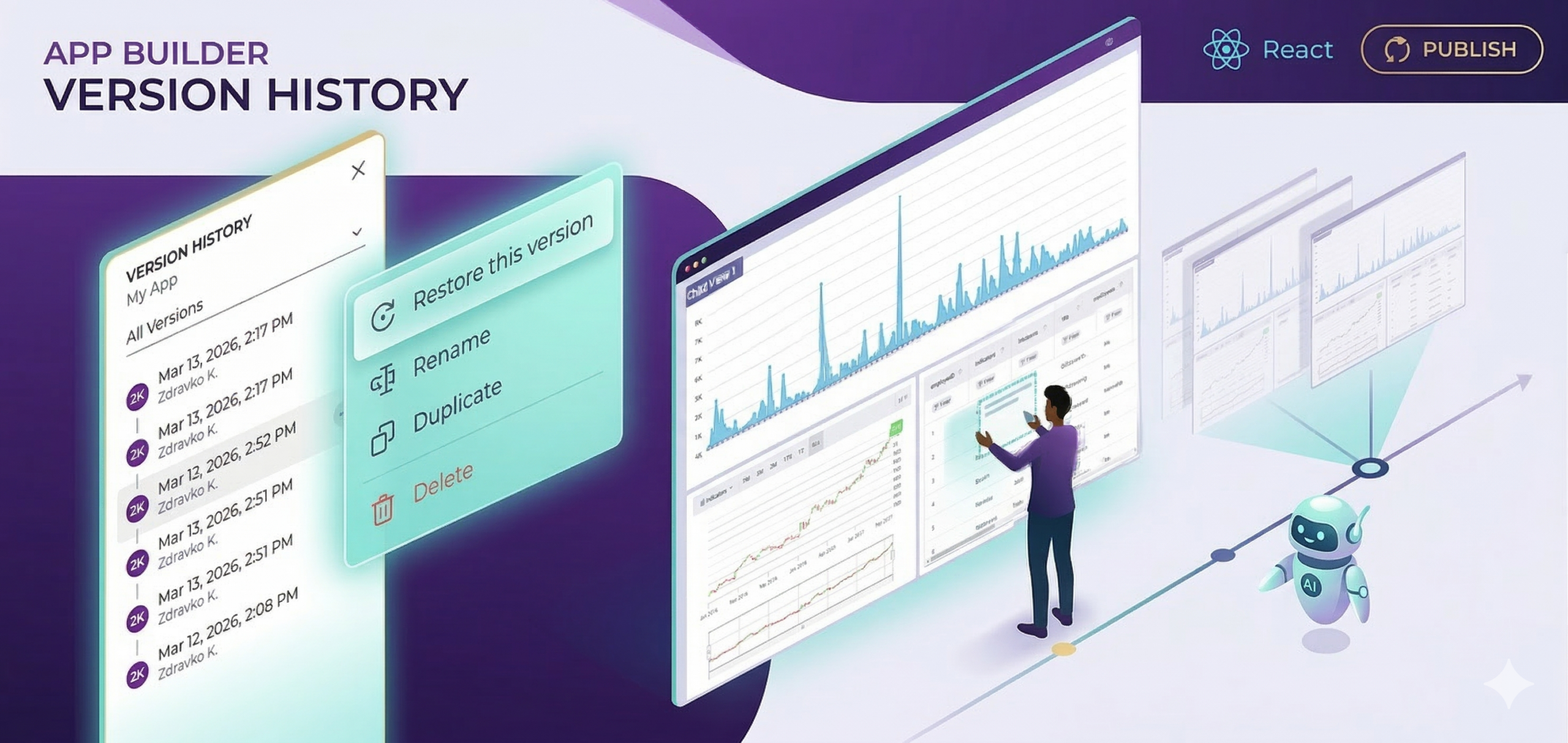
Build Fearlessly: Introducing App Builder Versioning

This new feature provides a persistent safety net across your entire workspace, allowing you to capture, browse, and safely restore previous states of your app without data loss.

Get the latest trends in low-code, app development, product updates and more. Here we share our knowledge, best advice, how-tos, research, insights, and more - all with the aim of helping you learn how to build better apps faster.
This new feature provides a persistent safety net across your entire workspace, allowing you to capture, browse, and safely restore previous states of your app without data loss.

App Builder’s one-click deployment takes a significant step towards simplifying modern web app development. By eliminating the need for manual configuration and seamlessly connecting design, code generation, and deployment, teams can focus on innovation instead of infrastructure.

The low-code development is changing fast. That’s for sure. Pro-code developers no longer see it as a practice that only empowers citizen developers or junior programmers. But what are the factors that influenced the shift in their mindset and development philosophy?
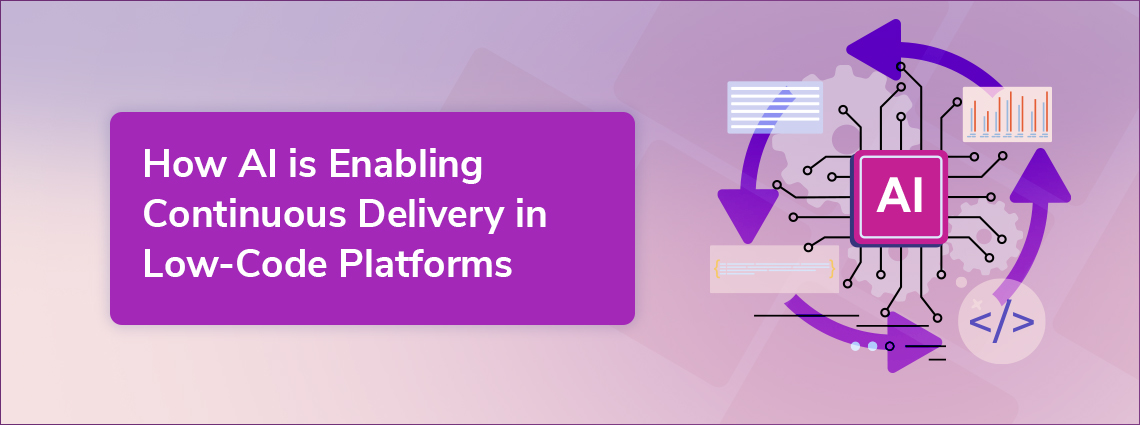
Continuous delivery no longer has to be complex or resource-heavy. With low-code platforms like App Builder, teams can fast-track development, automate prototyping, testing, and deployment, and leverage AI capabilities, making releases faster and more reliable.

AI code generation is powerful. It’s fast, flexible, and great for tackling isolated coding challenges or exploring ideas. But it’s not a silver bullet. Relying on it alone for complex, scalable, or production-grade applications comes with tradeoffs in consistency, security, and collaboration. That’s where tools like App Builder come in.
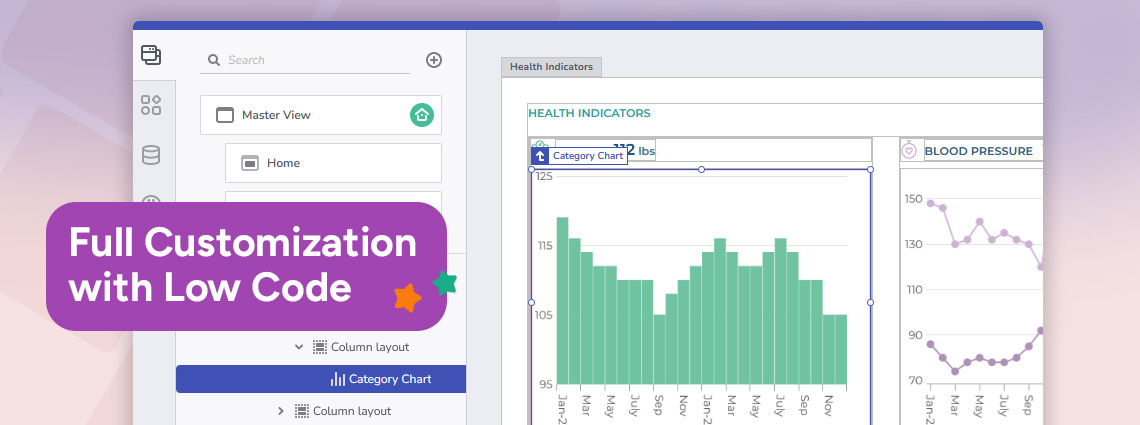
The concept of low-code development has existed since the emergence of 4GLs (Fourth-Generation Programming Languages) that were developed from the 1970s through the 1990s. But ever since then low code has been evolving. The tools we see today are more comprehensive and empower users with full low-code customization.

Low-code development ensures business agility and code flexibility. Some tools, though, present vendor lock-in risks. Read more here and see how you can avoid them.

Now that we know that low code is here to stay, the question becomes, how is your organization preparing for its next chapter? For the last few years, low-code tools like App Builder have targeted various pain points in app building, enabling C-level executives and Dev Team Leaders to accelerate time to market, automate app […]

Low code has become a catalyst for rapid digital transformation in companies of different sizes and industries. These tools see steady growth in their impact on business—from remodeling the entire corporate culture that implements rigid structures focused on traditional workflows to establishing innovative hubs that are more agile and prepared for any market change.

Can AI promote faster software rollouts? Will it lead to fewer people who write code manually? And is this the end of software development as we know it? Let’s see what’s the impact of AI on development jobs and what’s the role of low code here.