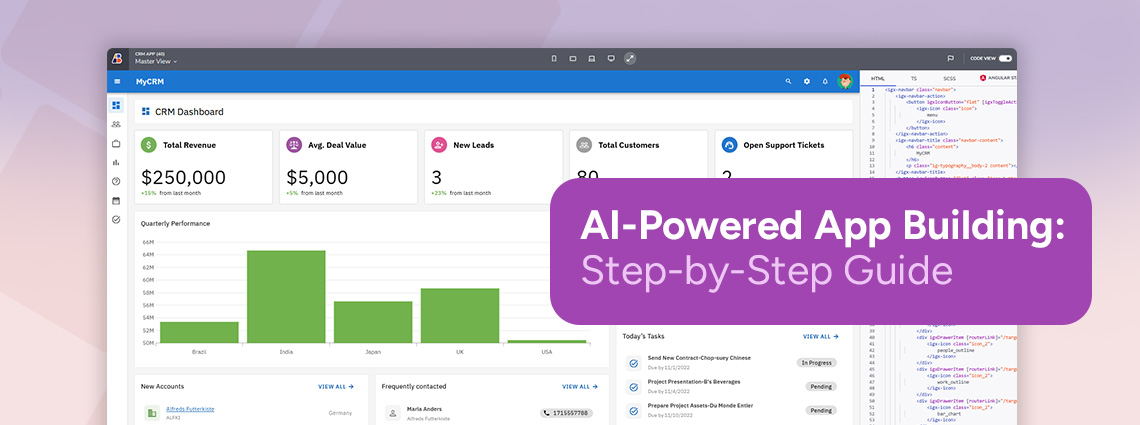

Além do Prompt: Onde a IA Elabora e Humanos Criam o Aplicativo Real
Este artigo vai te levar além do desafio. Vamos analisar como a IA constrói o impulso, mas o desenvolvimento eficaz é o que molda o resultado.
 Zdravko Kolev 4min read
 “A IA não vai substituir os humanos. Mas humanos que usam IA substituirão aqueles que não usam.”
Sejamos honestos – todos nós entendemos o hype. Uma nova ferramenta de programação por IA é lançada. Um construtor de aplicativos de IA promete magia. Você tenta… E uau. Em minutos, você tem um app brilhante. Algo que você possa experimentar. Algo que você possa mostrar para sua equipe ou para a gestão. E nem levou dias ou semanas para você montá-la. Todo mundo ficou impressionado. Sem transferências, sem atrasos, sem codificação manual.
Mas então a realidade bate.
Um aplicativo bonito não é a mesma coisa que um app valioso. O valor real vem da capacidade de um aplicativo lidar com o uso real, escalar e permanecer sustentável a longo prazo. Não é só sobre a aparência. Tudo depende de como funciona.
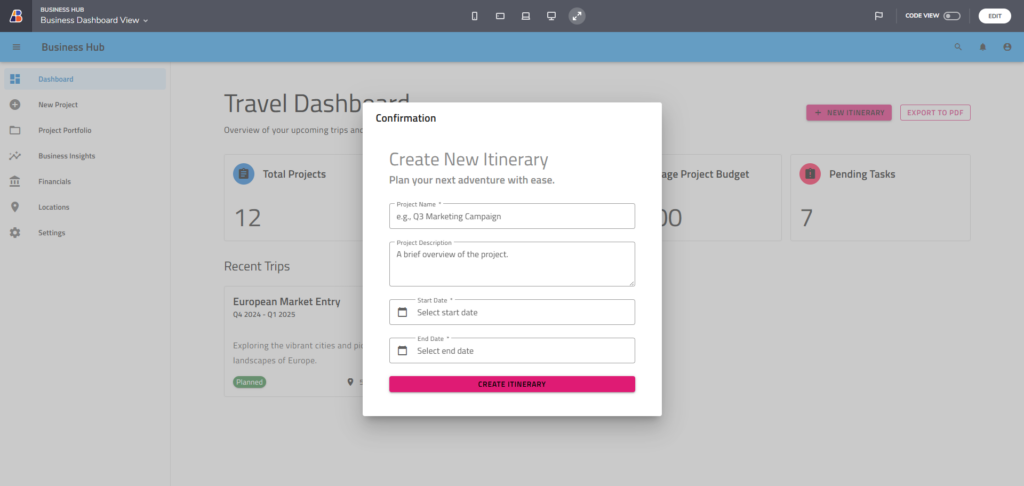
A Realidade: Seu Negócio Não Tem Template
Quando o “uau” inicial desaparece, as verdadeiras perguntas surgem rápido:
- Como isso se encaixa no nosso modelo de negócio específico?
- Quem são os usuários reais e eles se comportam conforme mostrado nos dados da demonstração?
- Como isso apoia a retenção, o crescimento e os casos extremos?
Seu negócio não tem um modelo definido. Seus clientes têm restrições diferentes, e lidar com essas diferenças é exatamente o que faz a diferença fazer a receita ser decisiva. Para cumprir os requisitos do mundo real e as melhores práticas bem estabelecidas, você começa a iterar. Você ajusta fluxos de trabalho, adiciona lógica e introduz regras que só existem porque seu negócio funciona do jeito que funciona. Mas você sempre precisa entender as necessidades.
Dá para fazer isso só com o prompt de chat? Provavelmente até 80%. Mas aí você bate no muro porque os 20% restantes são onde a maior parte do valor realmente está.
O Problema dos “Últimos 20%”
É aí que o atrito explode. Os últimos 20% do desenvolvimento são a parte que realmente importa, ou seja, a parte que transforma um protótipo em uma aplicação mais polida. Você pode continuar solicitando – reescrevendo, reformulando, empurrando o modelo – mas as ineficiências de tempo e os custos crescentes crescem rápido. Afinal, você precisa de um aplicativo funcional, não de um “próximo o suficiente”.
Neste ponto, geralmente você tem duas opções que não são ideais:
- Open Visual Studio: Se você compartilha a mesma experiência comigo, 10+ anos de experiência em desenvolvimento, pode mergulhar no código gerado e corrigi-lo. Não vai ser divertido, mas é possível. Mas o que acontece se você for um Product Owner responsável pelos resultados, não pela sintaxe? Essa não é sua zona de conforto.
- Chame a equipe de desenvolvimento: Essa é a segunda opção e, nesse caso, você terá que tirar os desenvolvedores do trabalho de r-oadmap, adicionar custo extra e introduzir atrasos. Isso raramente é viável e definitivamente não é escalável.
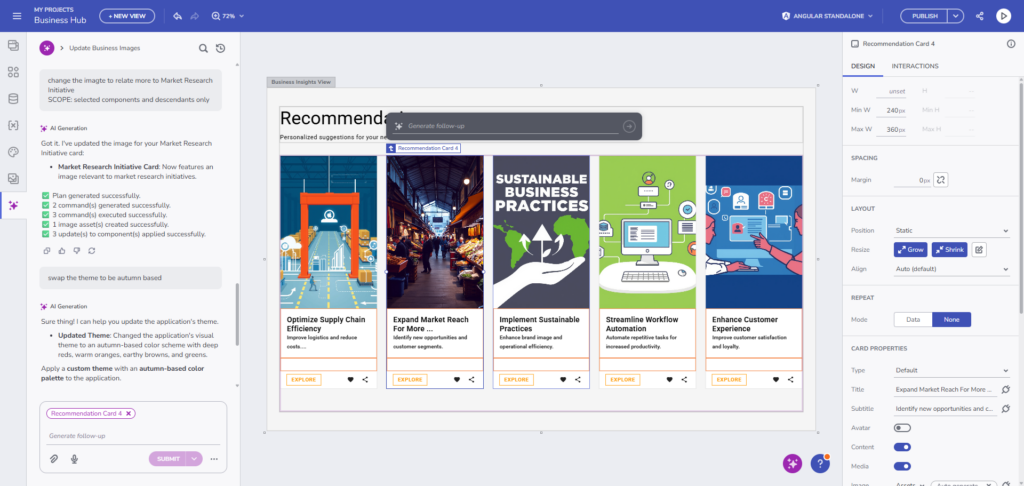
A solução: IA Cria Impulso, Você Constrói Visão
O uso de IA agora é inevitável, com certeza. Mas a IA sozinha não é suficiente. É excelente para gerar código, layouts e até protótipos inteiros. O que ela enfrenta é assumir a responsabilidade pela lógica de negócios. É exatamente aqui que nosso App Builder WYSIWYG entra, preenchendo a lacuna com capacidades de IA, geração de código e muito mais. Não porque substitui desenvolvedores, mas porque parte da lógica de negócio, não apenas do código.
Vemos a IA como o motor (Momentum), mas você é o volante (Vision). Deixe-me explicar isso com mais detalhes.
1. IA cria o draft (momentum)
Usamos IA para impulsionar o processo e lidar com a configuração tediosa:
- Criação de Layout: Gerando grades, gráficos e componentes padrão de interface instantaneamente.
- Andaime Lógico: Escrevendo o boilerplate para navegação, temática e estrutura.
2. Humanos refinam a intenção (visão)
Depois que o rascunho termina, entramos no nosso ambiente visual para lidar com esses últimos 20% cruciais sem atrito:
- Refinar a experiência de usuário: Ajustar o fluxo de trabalho para corresponder à jornada real do usuário, não a um padrão genérico.
- Vinculação de dados: Prever relações para não precisarmos mapear todos os campos manualmente.
- Faça cumprir as regras de negócios: Implementar as restrições específicas que a IA não pode “adivinhar” – a lógica que protege toda a receita e a conformidade.
- Itere Sem Medo: Neste ponto, podemos mudar o projeto várias vezes ao dia sem mexer em uma linha de código ou esperar pelos recursos de engenharia.
Essa abordagem torna o desenvolvimento mais rápido, mas também mais confiável e completo. Decisões de produto podem se alinhar mais facilmente com o negócio. A complexidade é visualmente revelada em vez de escondida no código. As equipes iteram com confiança, em vez de cautela. Por fim, os desenvolvedores focam em problemas difíceis, não em reformulações constantes. No final, combinamos automação com controle.
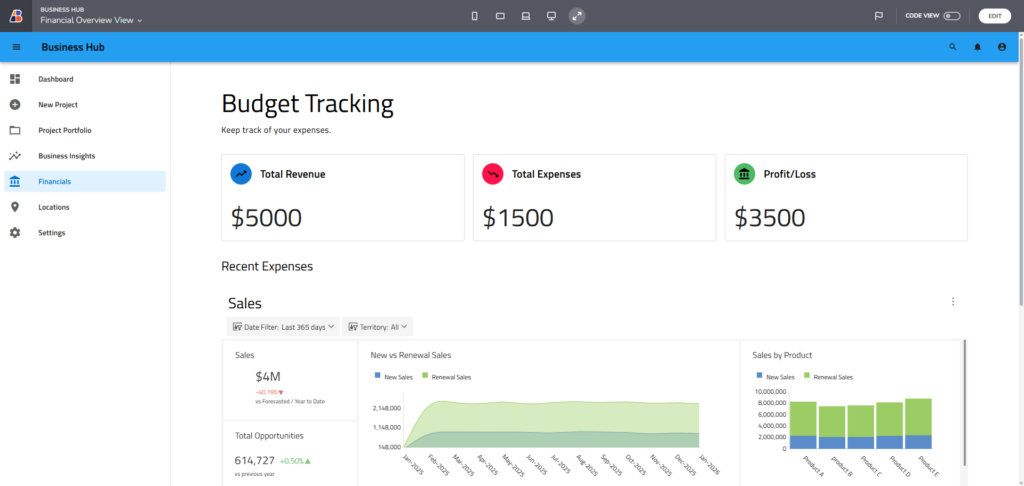
Embrulhar…
A diferença entre um “app gerado” e um “app valioso” é o papel humano no loop. Ferramentas como nosso App Builder low-code com capacidades de IA garantem que o protótipo que você constrói não chegue a um beco sem saída. É um degrau para uma solução completa – um aplicativo sobre o qual você pode facilmente construir, escalar e alinhar com objetivos reais de negócio.
A IA cria o impulso. Você molda o resultado. Experimente App Builder e veja como você pode construir aplicativos reais, prontos para produção.
Desenvolvimento Web
IA IA low code Construtor de aplicativos App Builder AI Código baixo Desenvolvimento low code